

STEWARDSHIP
"I farm. I am a caretaker and farmer first, I make and sell flour second. We grow the best grains we can by the best means possible, and then we make sure it gets into the hands of the most discerning chefs and bakers."
— Seth Small, 7th Generation Farmer (4th in the Walla Walla Valley), Small's Family Farm
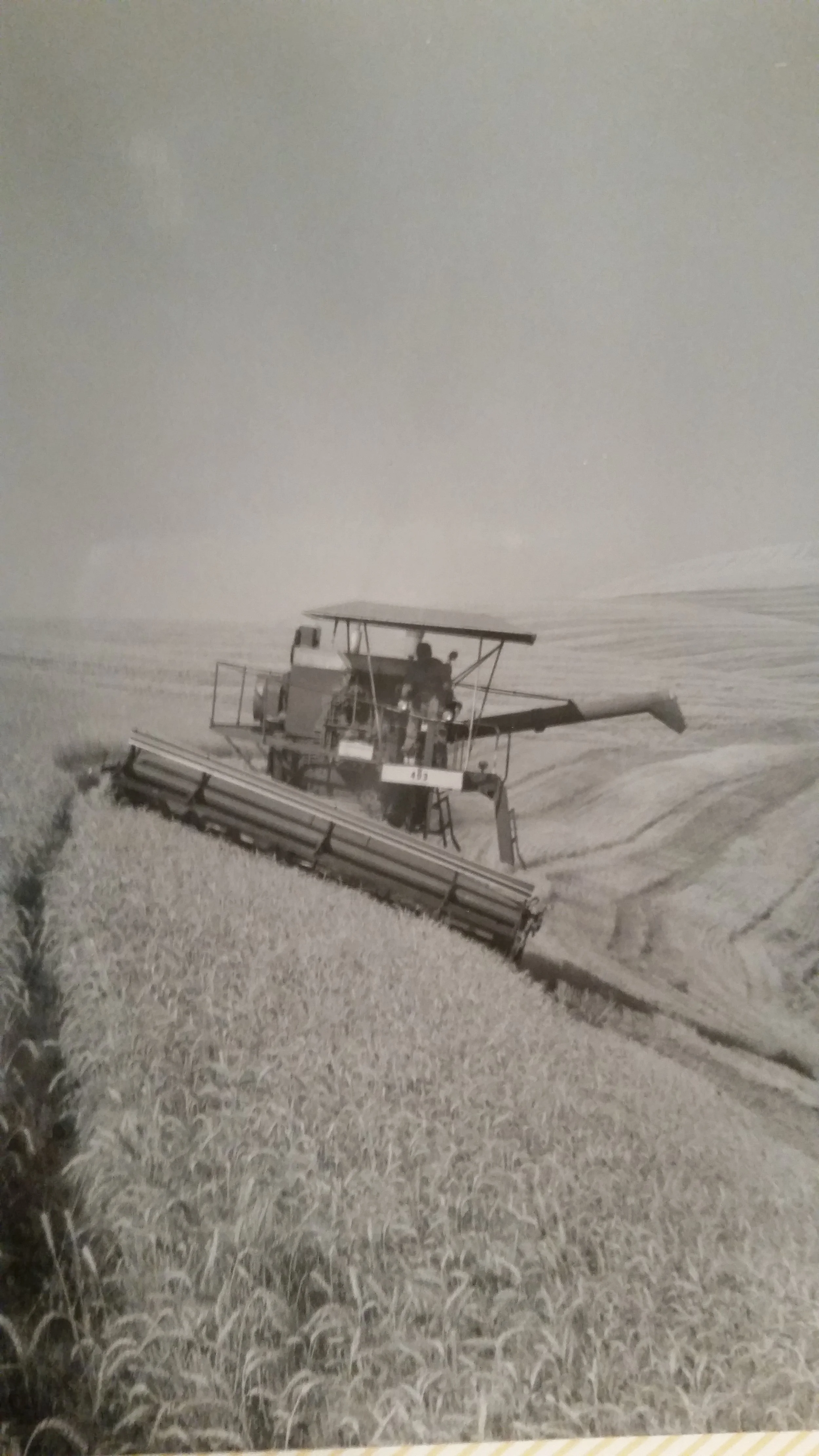
Cover Crops & Soil Health
We grow cover crops because healthy soil grows healthy grain. We want to build soil, we want to become better stewards. This isn't a trending practice for us — it's how this family has always approached the land. Building organic matter and microbial life below the surface produces the kind of grain quality no commodity system can replicate.
The word "stewardship" can mean different things to different businesses. At Small's, it means something specific: every decision on this farm — what we plant, how we plant, what we won't use, when we harvest — is made in service of one long game. We're not managing land for an annual yield report. We're managing it for the next generation, like we have for generations.
Generational stewardship is not a contradiction to being traditional — that is our tradition. The most honest thing Small’s can tell you about how we farm is that we approach the land with a philosophy, not a formula. We use the least disruptive means possible to grow the highest quality food possible, regenerating our soil, leaving everything better than we received it.
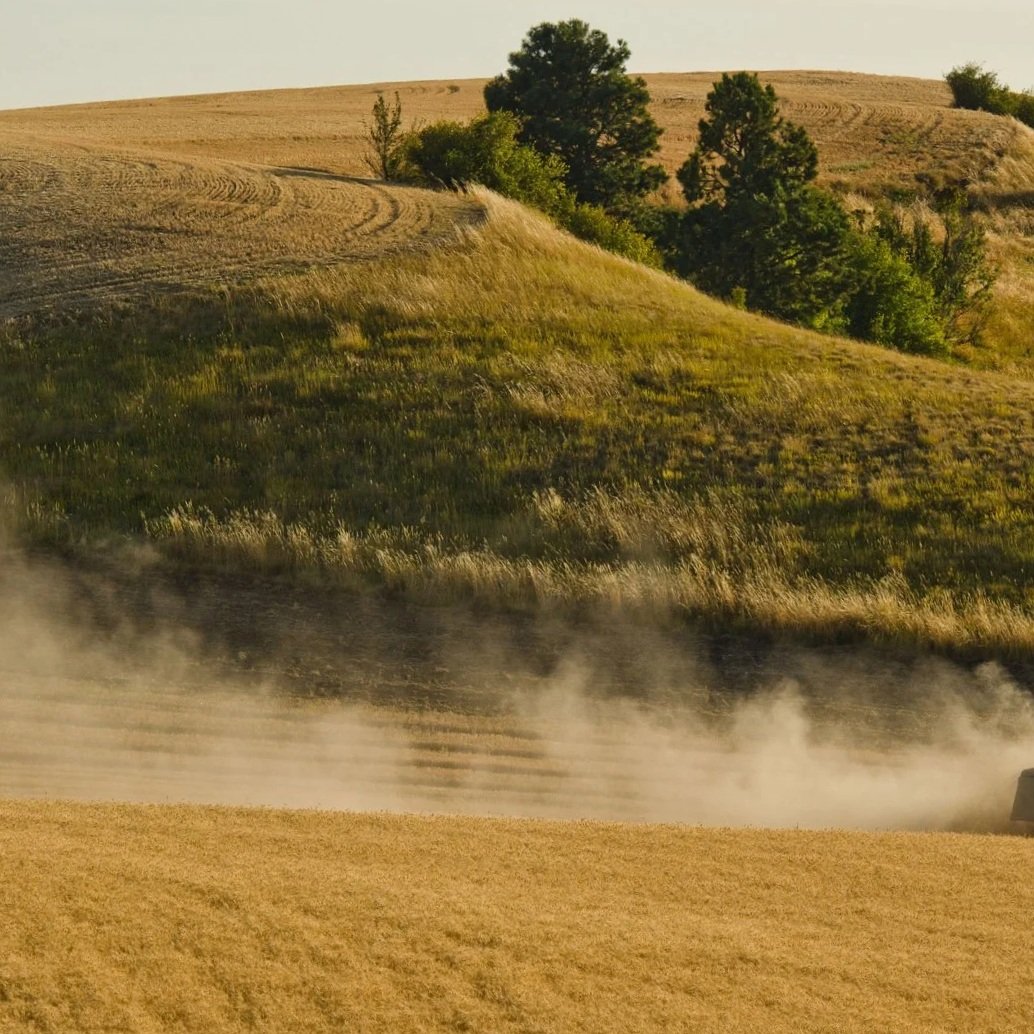
No Field Burning
We choose not to burn our fields or bail off crop residue. It's harder. It takes more time. But residue returned to the soil is carbon, nutrients, and future fertility. The easy way would cost this land something it shouldn't have to pay.
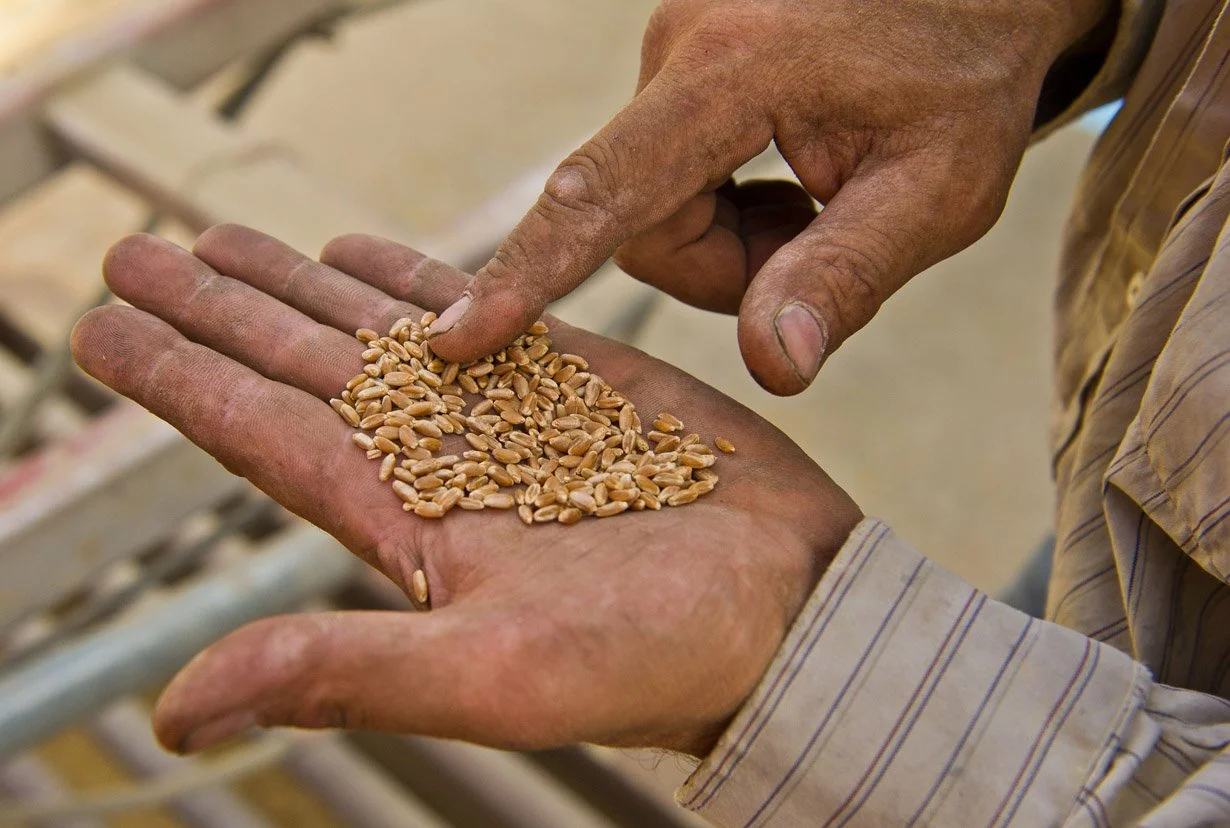
Variety Selection by Quality, Not Yield
Most commodity grain is chosen for how much of it you can grow. We choose varieties based on end-use quality — how it performs in the hands of a professional baker. Better flour. Healthier soil, higher quality varieties, we make this decision every single season, without question.
Long-Term Land Investment —We plant trees. WE BUILD HABITAT, WE BUILD SOIL, WE make TANGIBLE investments that won't MATURE IN OUR LIFETIME. That's not unusual to us — it's OUR TRADITION. Short-term extraction is a choice.
We make a different choice.
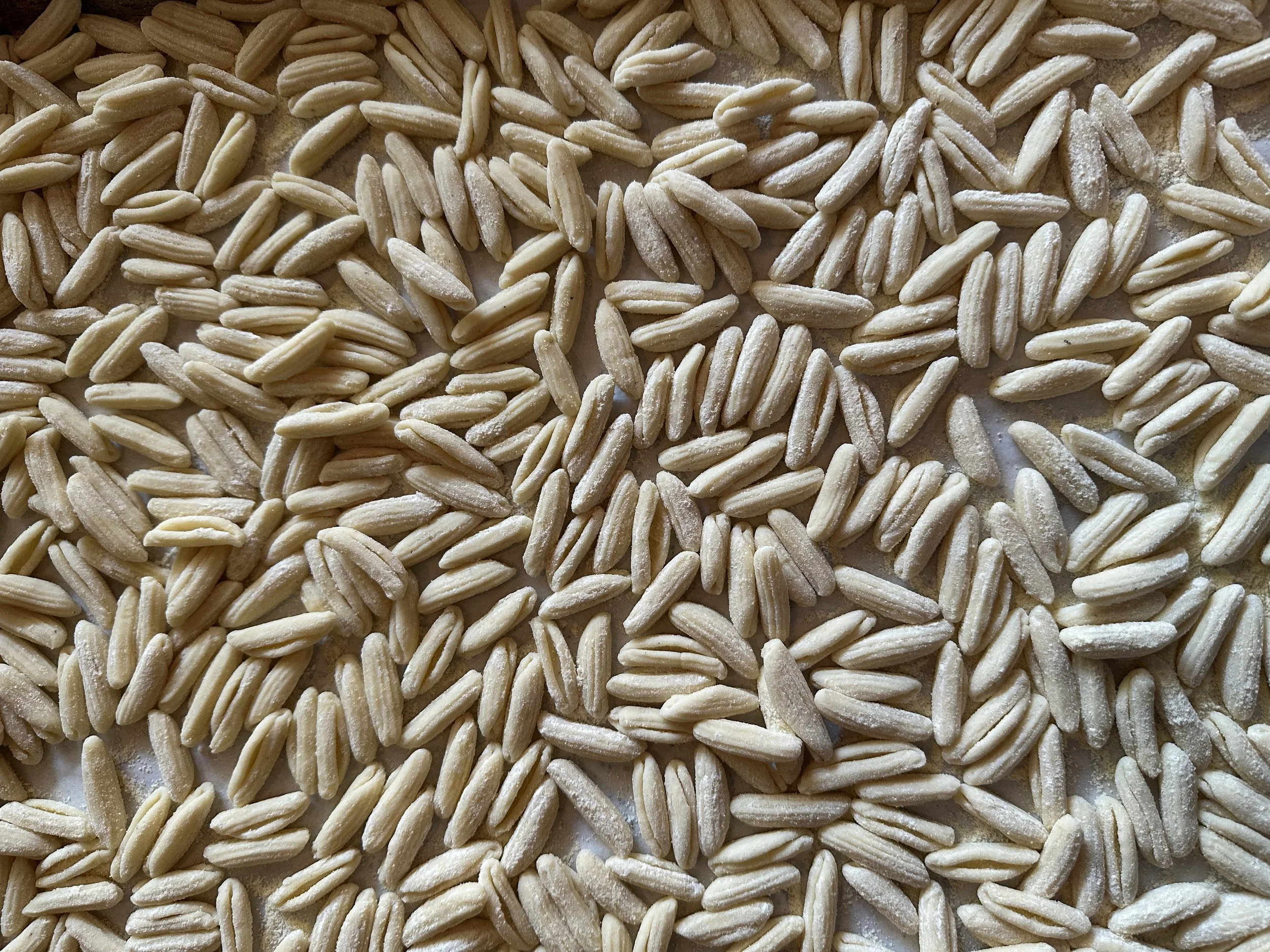
Farming is
a philosophy,
not a formula.
At Small's Family Farm, stewardship isn't a certification we applied for or a label we put on a bag. It's a philosophy — one that has guided this family's work in the Walla Walla Valley for four generations. The word we use is intentional: we are stewards of this land, we are the caretakers for future generations. Our job is to leave it measurably better than we found it.
That philosophy is what drives our commitment to regenerative agriculture. For us, regenerative agriculture isn't a trending term or a marketing program handed down by a food company that read an article. It's the unglamorous, daily work of farming in a way that builds soil health, restores biological diversity, and creates the conditions for the next generation to grow something even better than what came before.
What regenerative agriculture looks like on our farm:
We don't burn our fields. We don't bail off crop residue. Instead, we return organic matter to the soil because healthy soil grows exceptional grain — the kind of grain that a professional baker can taste the difference in. We grow cover crops to protect and enrich the land between seasons. We select grain varieties based on end-use baking quality, not maximum yield. We plant trees. We make investments that won't pay back in our lifetime, because that's what building something for the tenth generation actually looks like.
These aren't boxes we're checking. They're choices we make every single day, often at a higher cost and with more labor than the extractive alternative. We choose the harder path because short-term extraction is a trade we're not willing to make with land that belongs to the generations that follow us.
Why it matters to the chefs and bakers we work with:
Regenerative farming practices produce grain with greater nutritional density, more complex flavor, and more consistent baking performance than commodity alternatives. When a baker in Portland or a chef in San Francisco sources flour from Small's Family Farm, they're not just buying a traceable product — they're buying into a system of farming that is actively improving the land it comes from, season after season.
We supply wholesale flour to restaurants, bakeries, and grocery accounts across Washington, Oregon, California, Colorado, Nevada, Utah, Idaho and Arizona. Every bag is fully traceable to the Walla Walla Valley field it came from.
This is what we grow. This is how we grow it. Four generations in — and building for the tenth and beyond.
We make investments that won't pay back IN OUR LIFETIME, because that's what building something for THE TENTH GENERATION actually looks like.
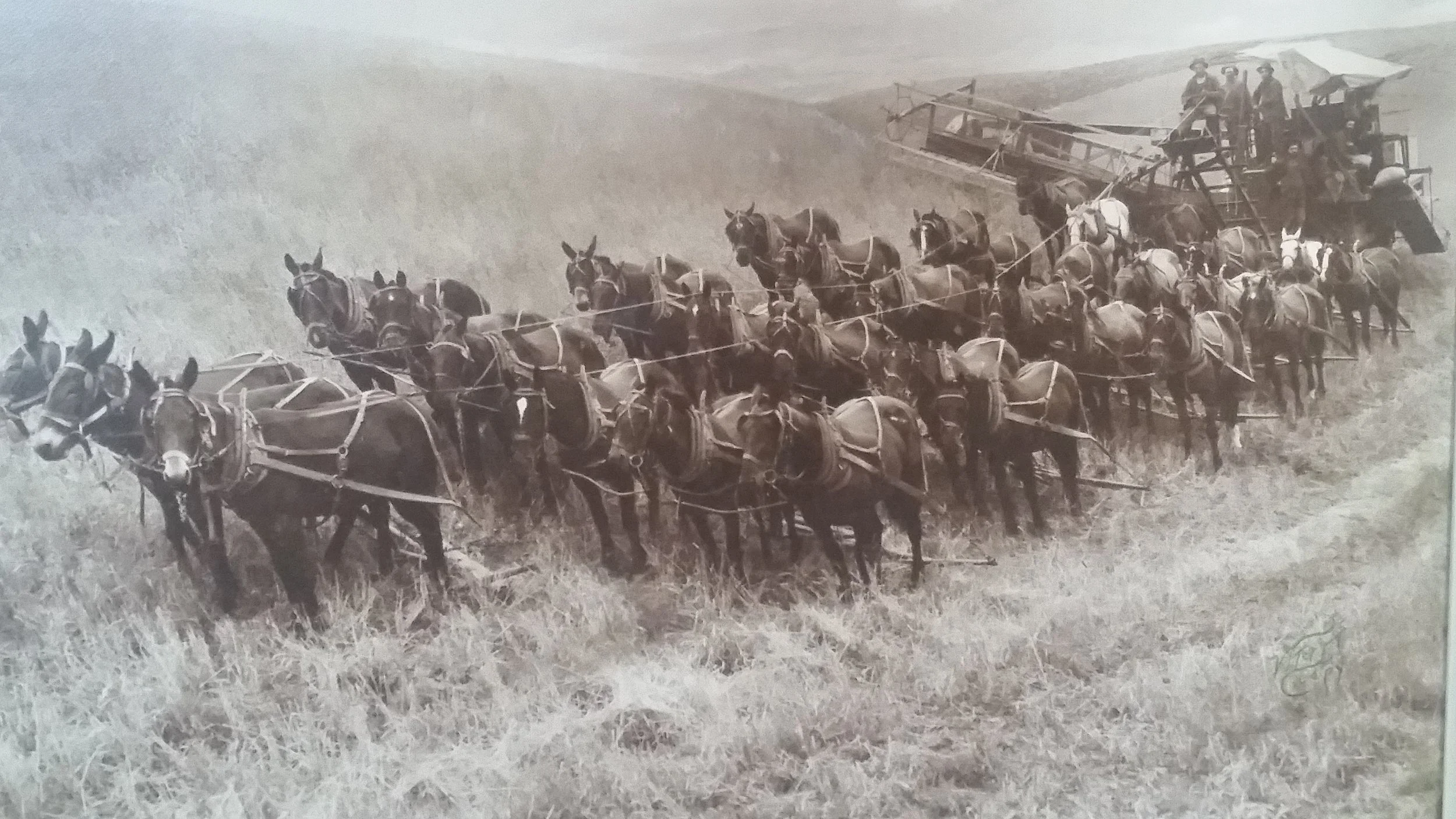
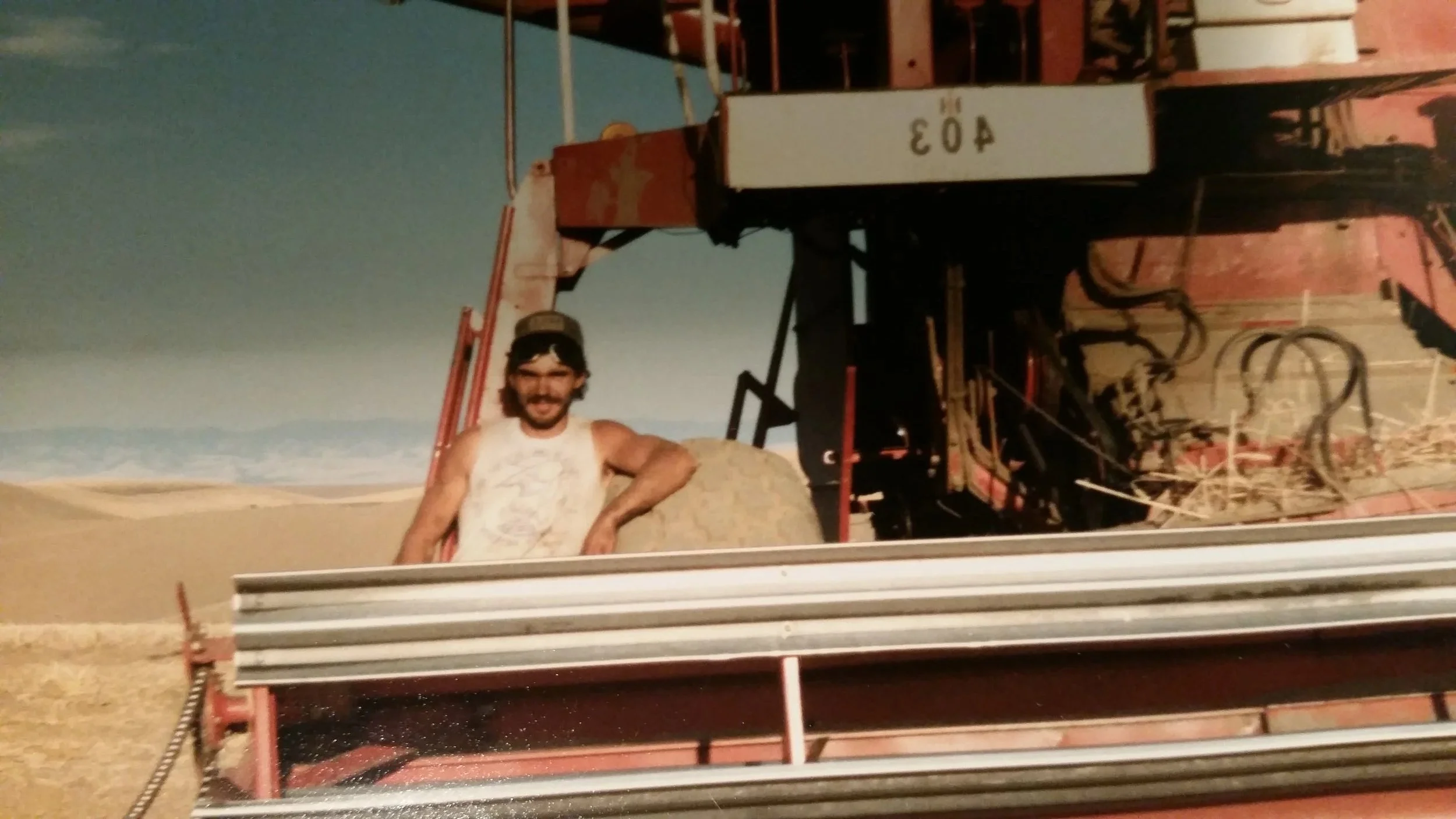
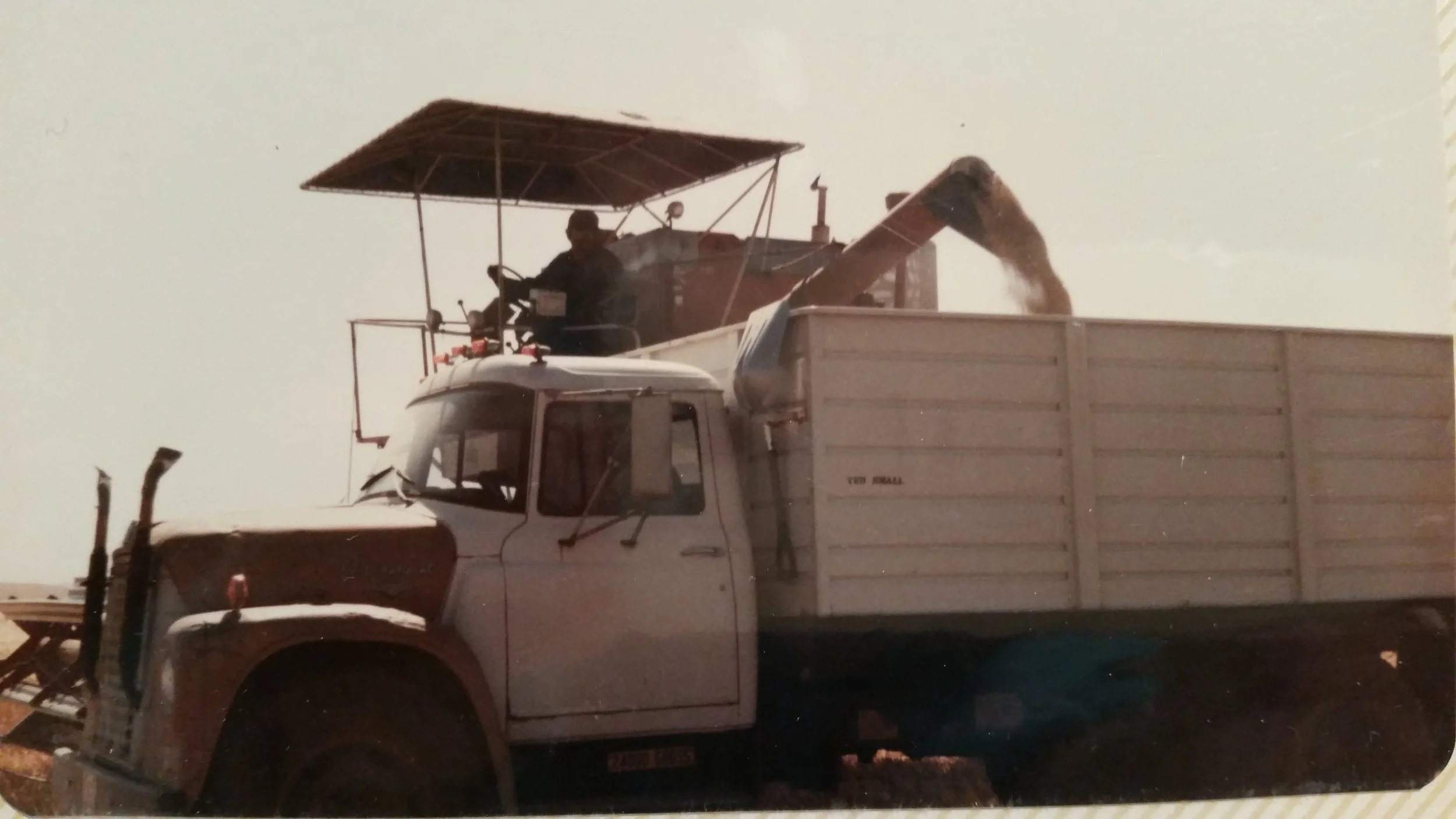
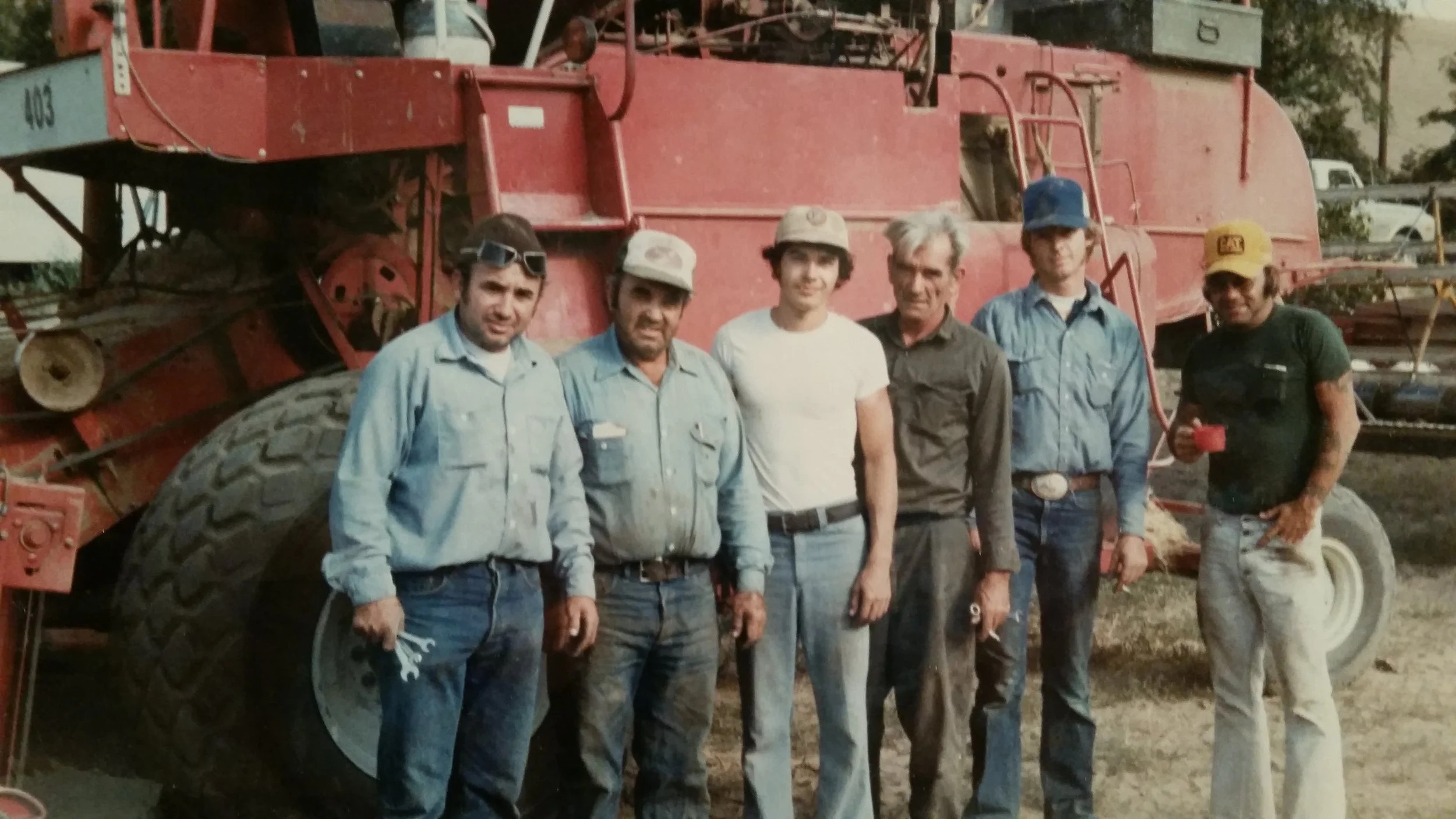
At Small’s Family Farm, the heritage of farming and milling spans AS MANY GENERATIONS AS WE CAN TRACE. Our farm’s roots trace back to Virginia, where generations worked the land and milled grain. Over time, the family moved west, settling in the Walla Walla Valley, where the foundation of Small’s Family Farm was established.
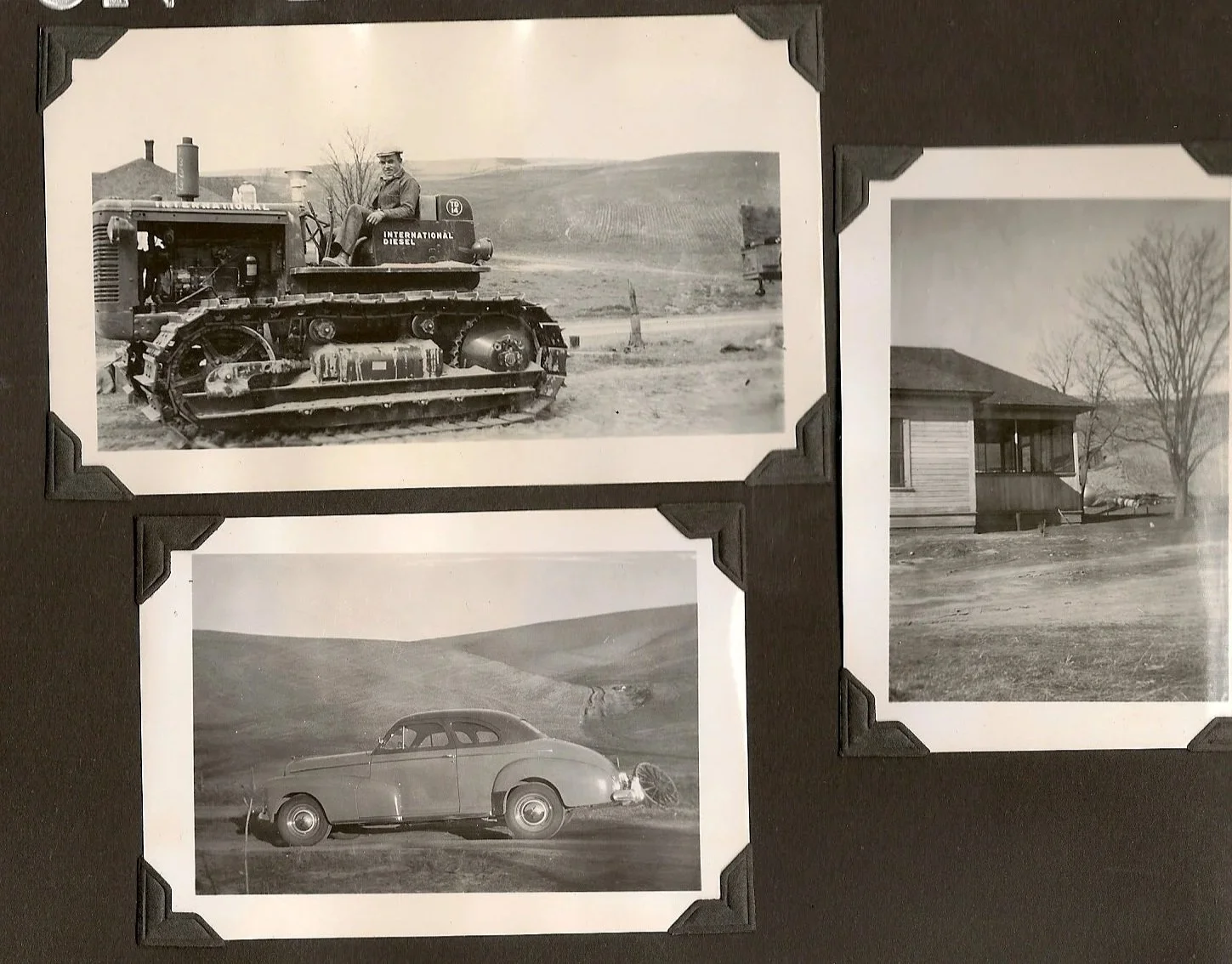
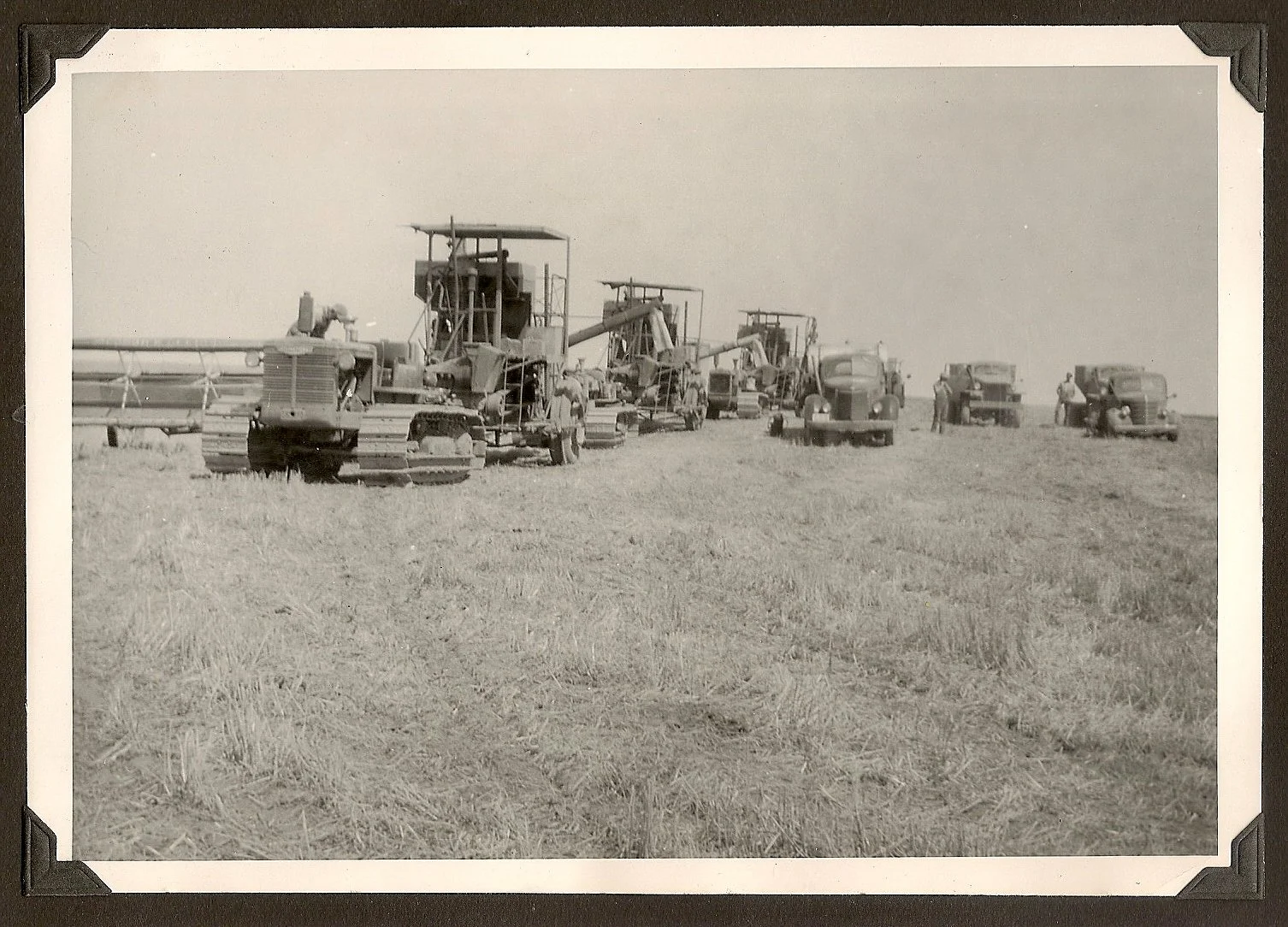
Meet your farmer
Seth Small is a fourth-generation farmer in the Walla Walla Valley. Growing up watching and helping his parents farm wheat, Seth always knew he wanted to be a farmer. After school, and a tenure in the contemporary art industry, he returned to farm alongside his father, Mark Small, carrying on a family legacy rooted in the rolling hills of the valley.
Small's Family Farm has been a farming staple in the Walla Walla Valley for four generations, with the family priding itself on sustainable farming practices and a long-term commitment to the health of the land. Since 2014, Seth has worked to build and develop a farm-to-table brand that has become a cornerstone of quality flour. Working with Washington State University to identify the best grain varieties, the farm transitioned a portion of its fields from the commodities market to local distribution, selling its first bag of flour in 2016.
Today, Small's Family Farm flour is used by a number of bakers and chefs in the Pacific Northwest. Seth is also known for his commitment to innovation and sustainability, exploring on-farm trials ranging from cover crops and no-till practices to a creative partnerships with the thriving Walla Walla wine community.
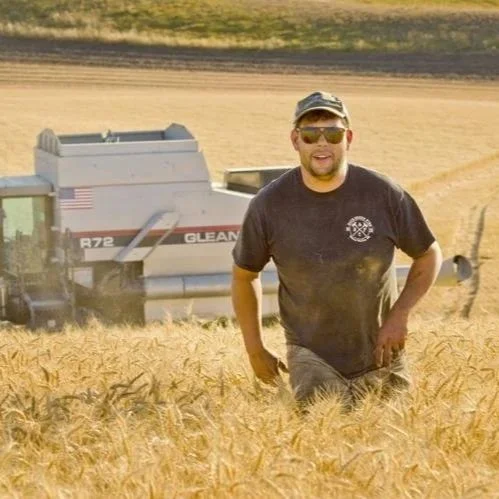
Photo by Greg Lehman
read more about small’s family farm
A long journey for a shorter trip for Walla Walla-area wheat
Walla Walla Union Bulletin - March 2017
Forno Bravo - Sept 2018
Waitsburg Times - July 2020